La Broye
Local, carbon-free energy. Around the clock.
For generations.
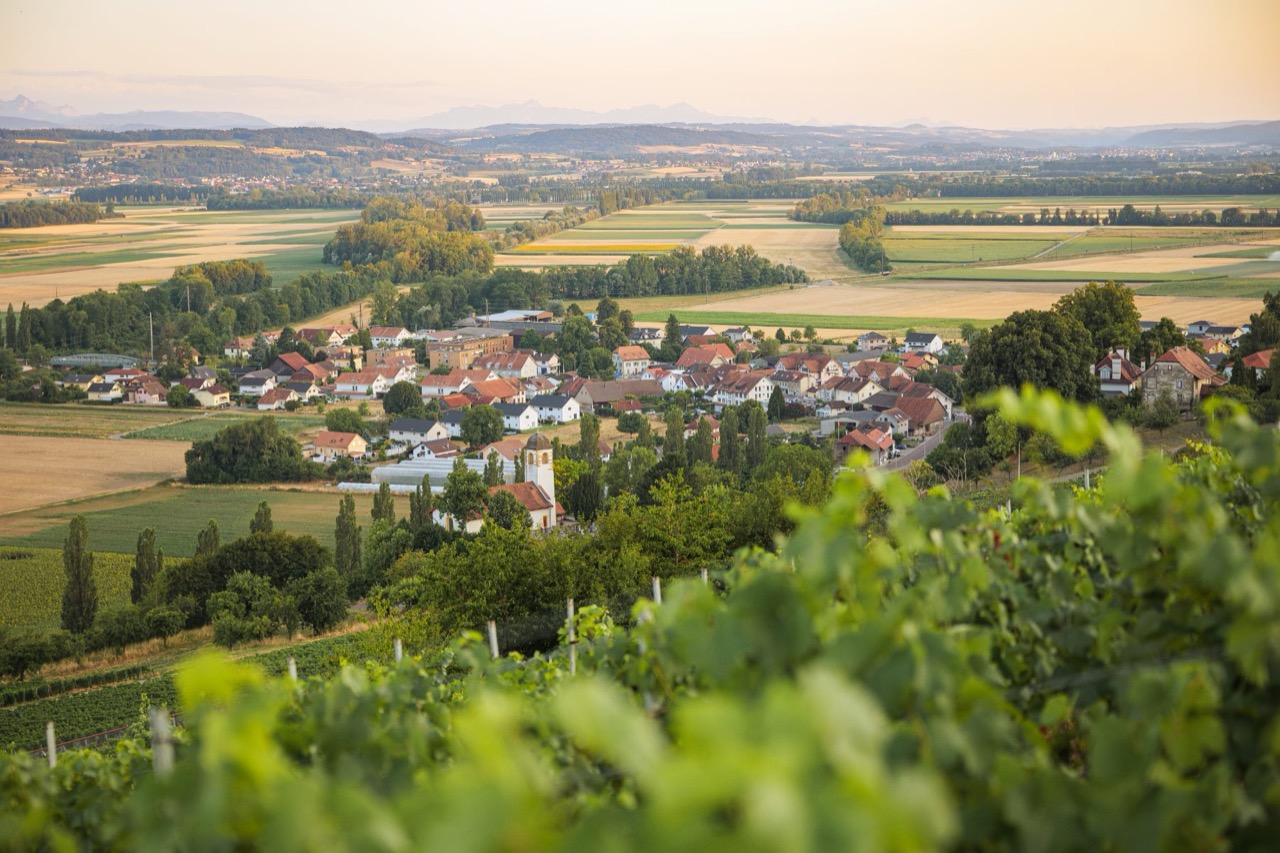
If the Broye region holds deep geothermal reservoirs, it holds a source of constant energy — produced here and consumed here.
This campaign is how we find out.

Active exploration

Cantons of Fribourg, Vaud & Bern, Switzerland

Regional geophysical survey

Geophysical modelling & target selection

Assess the region’s geothermal potential
Benefits for the region
If exploration confirms a viable geothermal resource and the project proceeds, geothermal energy could bring several benefits to the region.

A constant, controllable output around the clock, produced in Switzerland and independent of weather conditions.

EMISSIONS
Local, renewable heat helps reduce CO2 emissions.

Heat produced and consumed in the region, supplying district heating networks. A step towards energy sovereignty, with less reliance on imported fuels.

VALUE
Creates local jobs and supports regional economic growth.
Project Timeline


Surface research permit


Why is La Broye being explored?
Not every region is suitable for geothermal exploration. Identifying geological structures of interest requires a combination of geological evidence, existing subsurface knowledge and a clear understanding of the regional context.
GeoCogen La Broye brings these elements together to evaluate whether the region could host a viable geothermal resource. The current phase focuses on collecting and interpreting geological information to support evidence-based decisions about potential future exploration. The three factors below explain why La Broye was selected for this stage of the project.
A proven approach, applied at a larger scale
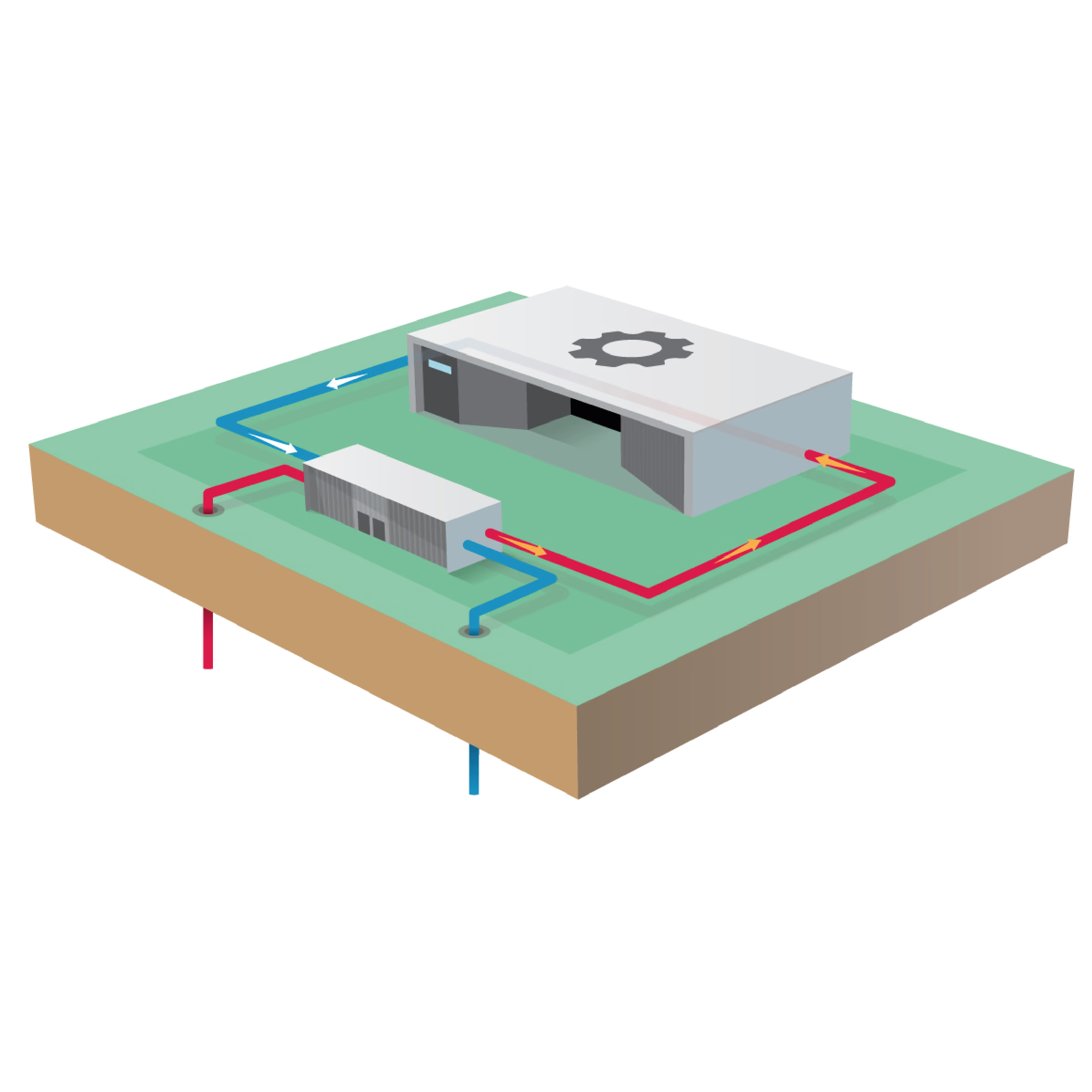
Deep hydrothermal geothermal energy is not a new technology. Plants have been operating on the same principle for decades in the Paris Basin and for more than fifteen years near Munich, circulating naturally heated groundwater from permeable formations. GeoCogen La Broye applies that established approach in Switzerland, drawing on decades of subsurface expertise built up within Swiss Geo Energy.
Each phase starts from what is already known about the subsurface and adds to it. New data are integrated with the regional record as they come in, so every decision rests on evidence rather than assumption.
Where the sector generally investigates small, isolated areas, GeoCogen La Broye covers a permit area of more than 500 km², complemented by SGE’s Eclépens and Jorat projects. One wide survey builds a far more complete picture of the subsurface, improves the chances of identifying a viable reservoir, and means field operations pass through each community once rather than repeatedly.
Exploration is organised so that uncertainty is reduced before commitment increases. Drilling is only considered once the subsurface has been imaged, modelled and interpreted, and only if the results justify the next step.
Deep geothermal energy:
clean and sustainable
Geothermal energy is a renewable energy source that does not depend on seasonal variations, weather conditions or the day-night cycle. It is entirely in line with the energy strategies of the Confederation and the canton of Vaud.
Geothermal energy has a small environmental footprint throughout its value chain, and a geothermal power plant has a relatively small surface footprint since the energy valorisation occurs underground.
Our approach
Exploration activities are conducted in accordance with Swiss environmental standards and geothermal best practices, and are planned in coordination with federal and cantonal authorities, municipalities, landowners and farmers. Specific measures are implemented to minimise temporary disturbances, protect sensitive areas and ensure that local communities and other affected stakeholders are informed in advance of field operations. Throughout the campaign, the project maintains an open dialogue with the authorities, communities and stakeholders concerned.
FAQs
Did you know?

over 500 km²,
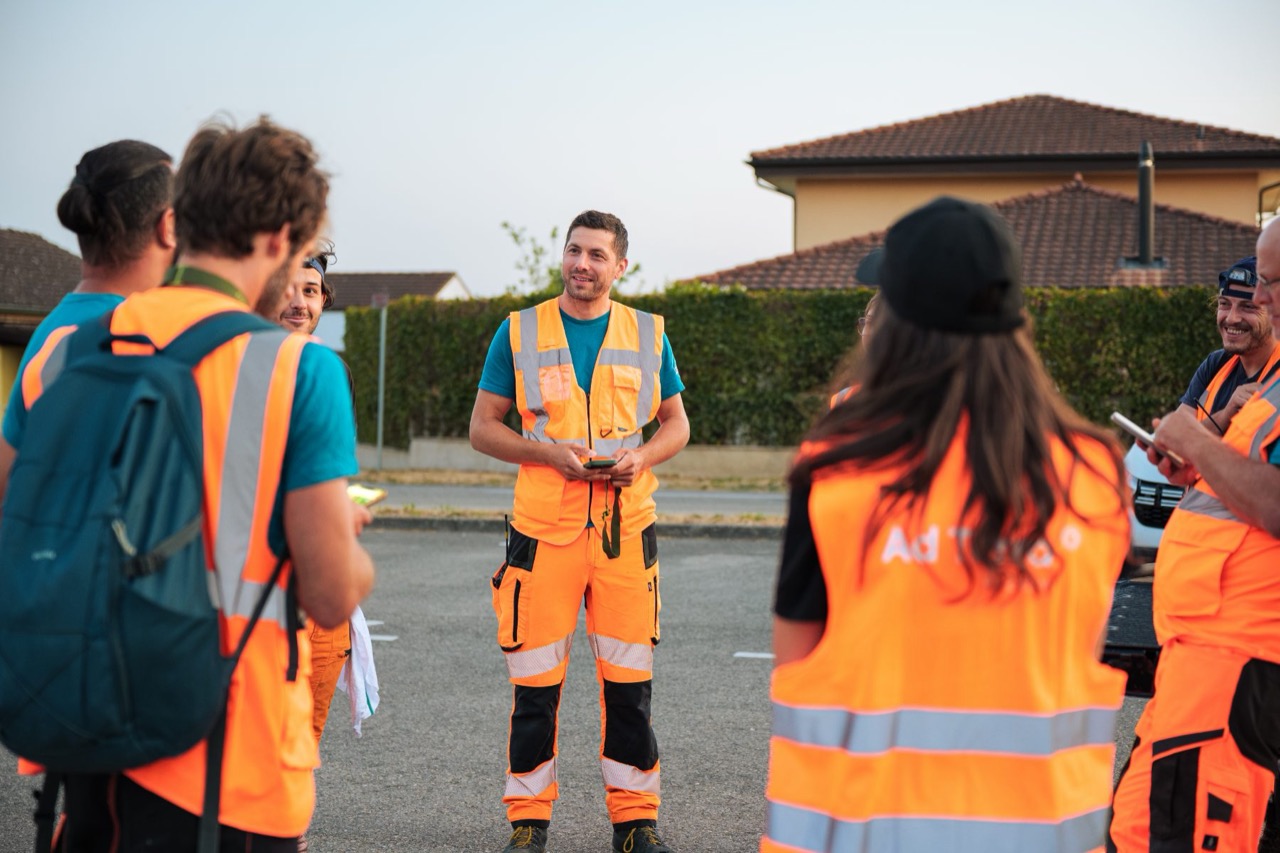
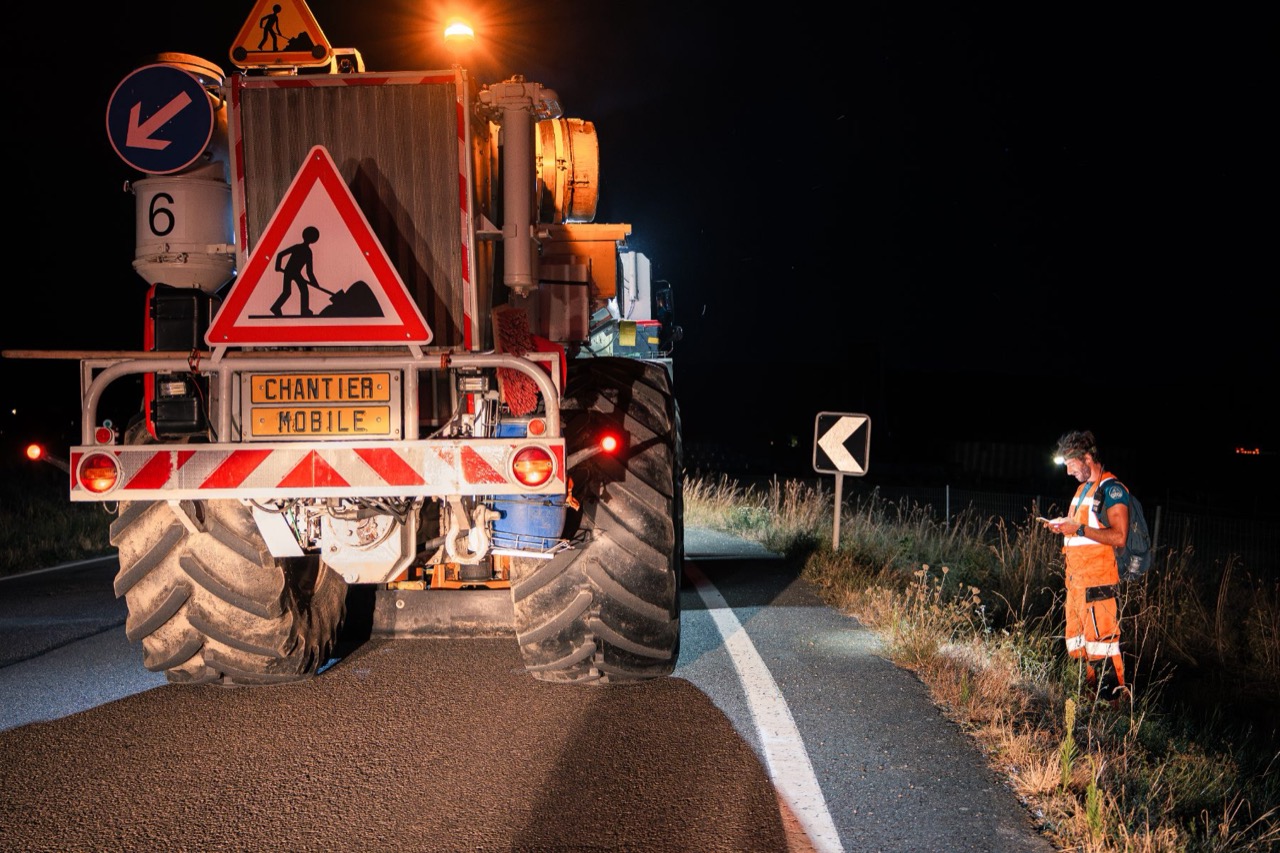
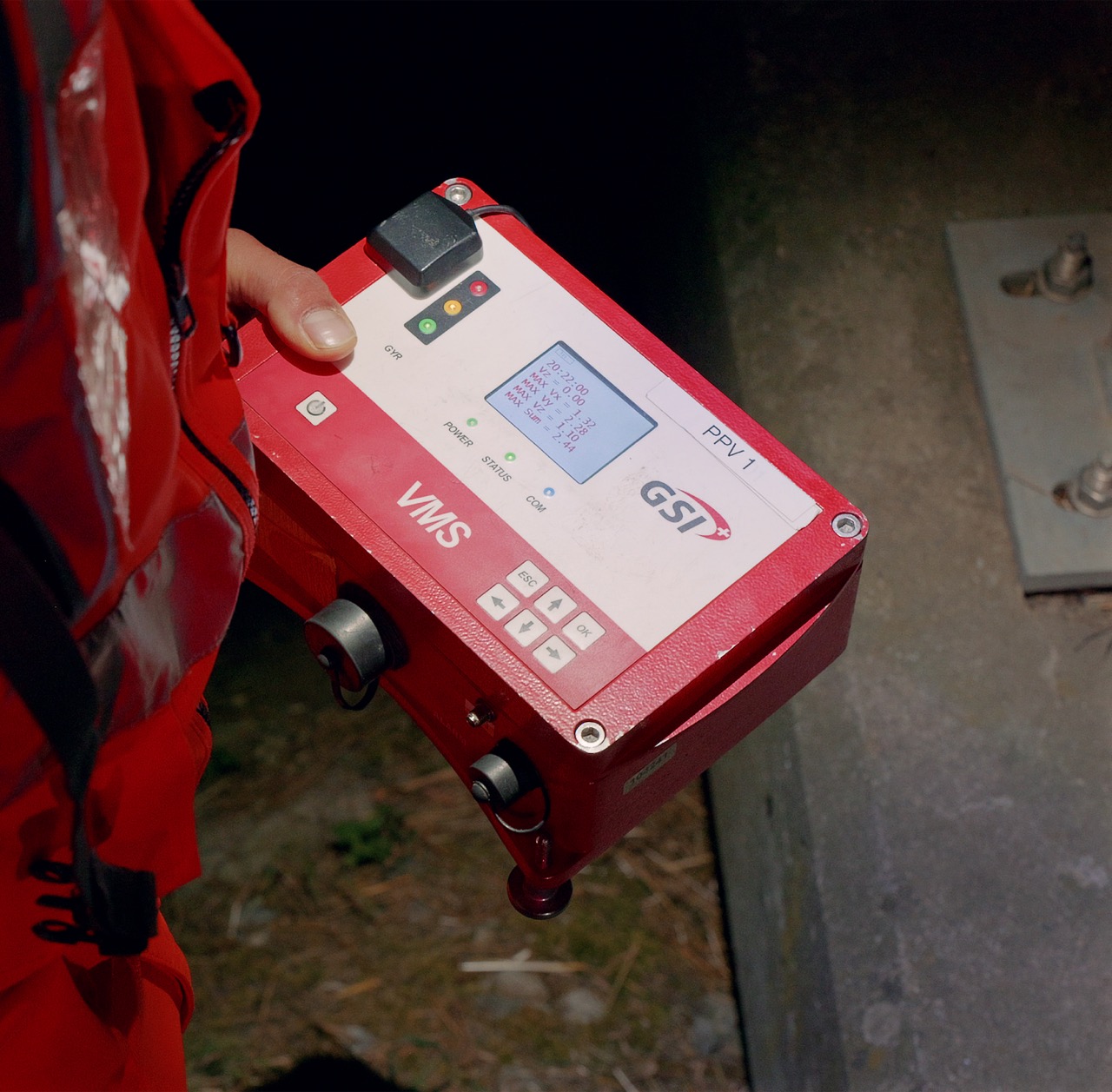
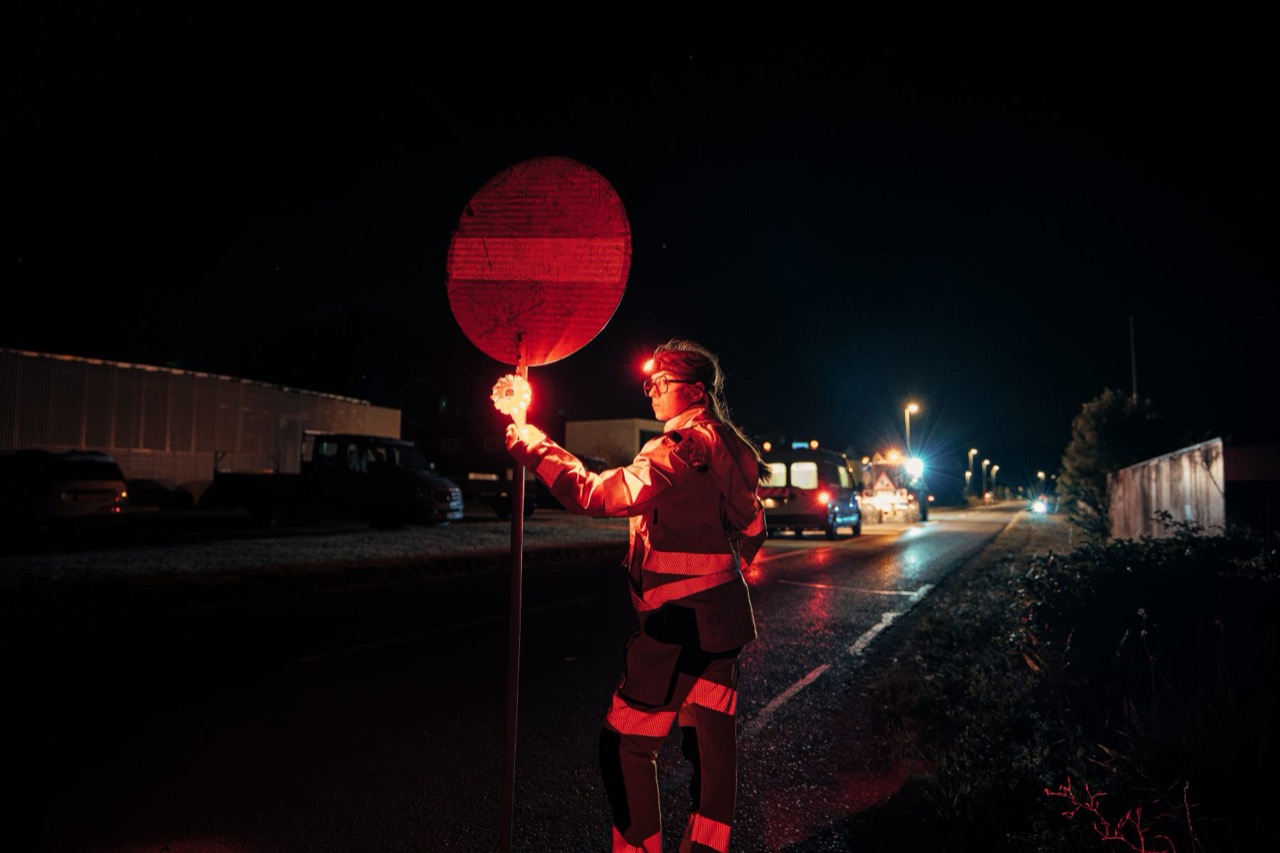
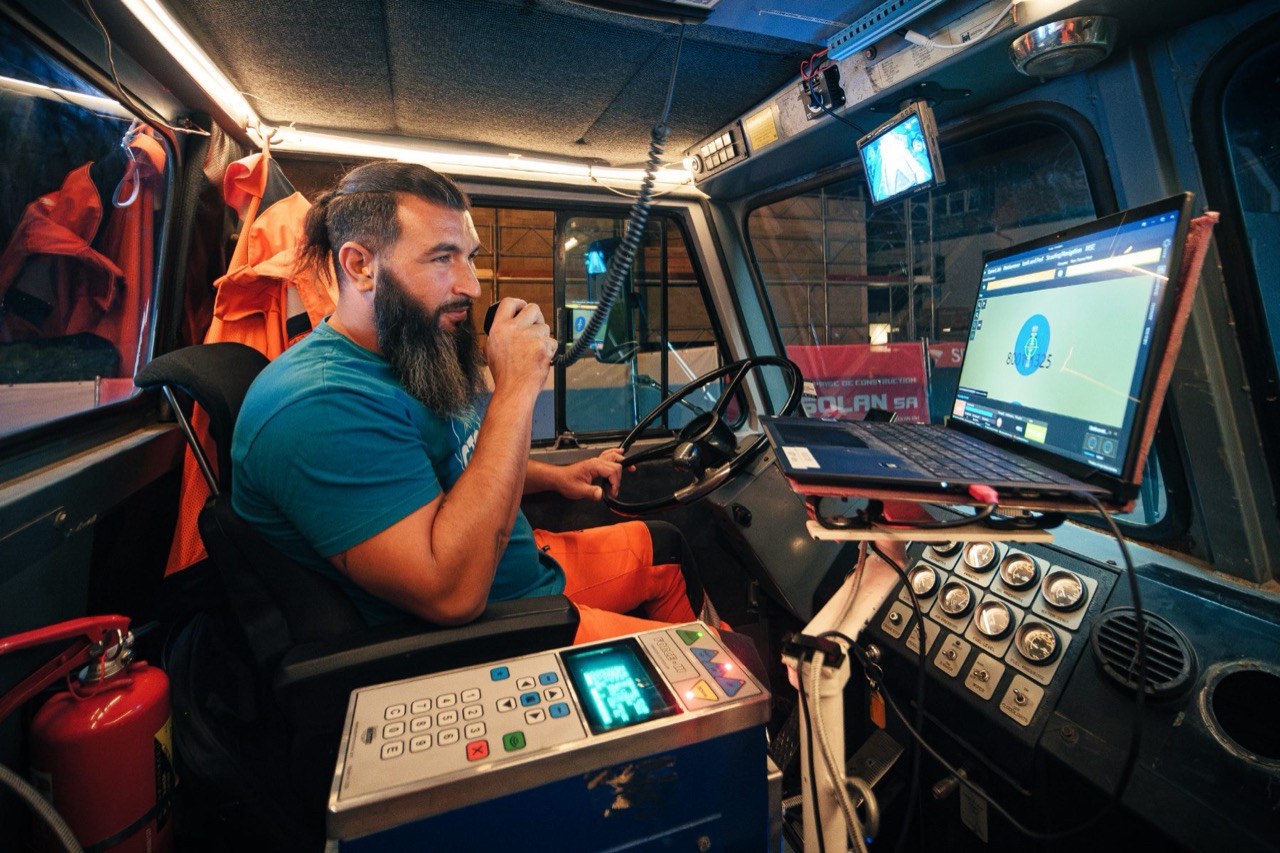
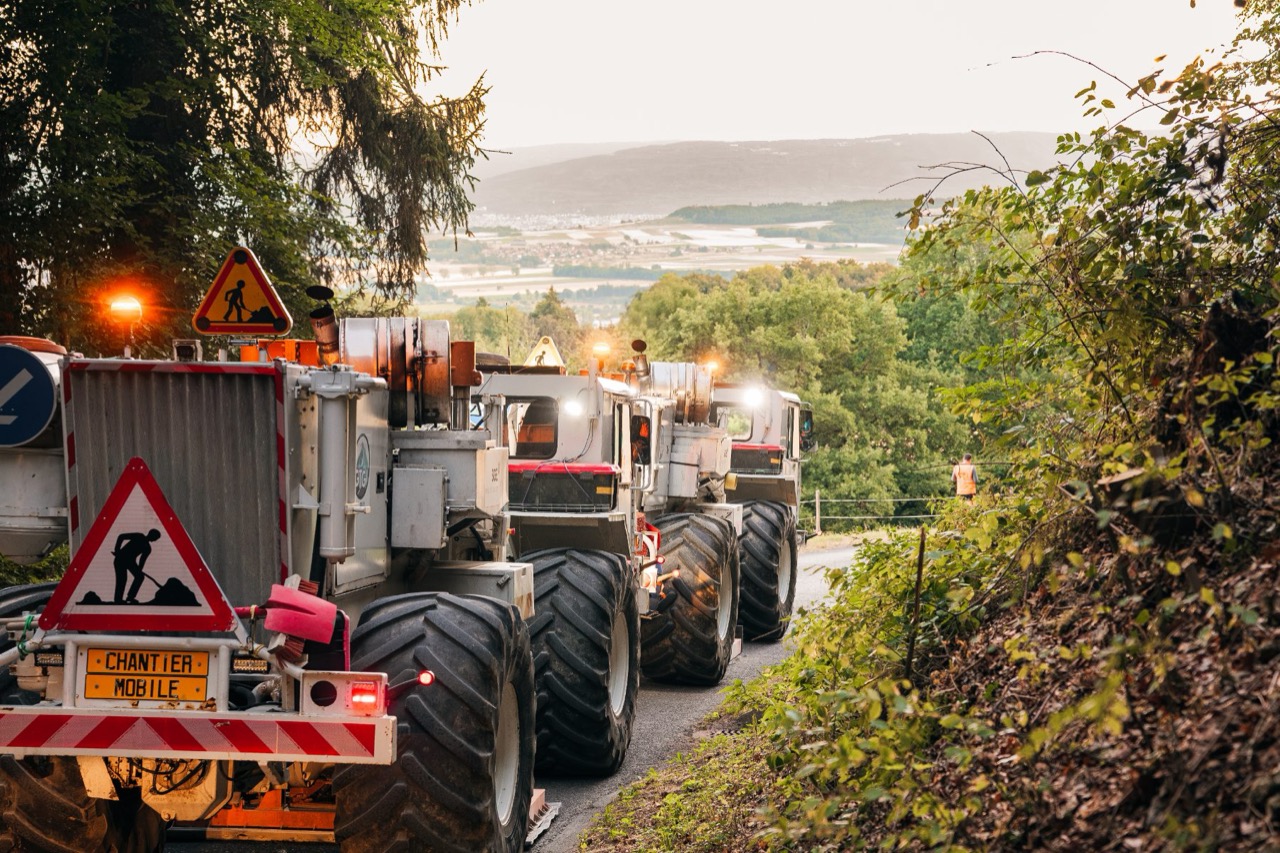
On the ground...
Interested in the project?
Find out more about
Switzerland’s first deep geothermal cogeneration plant, designed to produce both renewable heat and electricity from the same well in the Vaud plain
A geothermal exploration permit on the doorstep of Lausanne, aimed at supplying district heating networks in one of Switzerland’s densest urban areas